
Performed by Pandit Ramnarayan Guruji — 27 Years of Vedic Experience at the Jyotirlinga
Till now 3,00,000+ Devotees have participated in Pujas conducted by Trimbakeshwar.
Book Pitra Dosh Puja →What Is Pitra Dosh and Why Trimbakeshwar Is the Right Place to Treat It
Pitra Dosh (also called Pitru Dosh) is considered one of the most significant ancestral karmic imbalances in Vedic astrology. It is said to arise when the souls of one's ancestors (Pitras) remain unsettled — due to unfulfilled duties, neglected shradh rituals, or unresolved karma carried across generations. Astrologically, this typically shows up as an afflicted 9th house (the house of ancestors and fortune), a weak Sun, or Rahu/Ketu in conjunction with the Sun in the birth chart.
According to the Brahma Purana, Lord Yamaraj grants ancestral souls freedom to accept offerings from their descendants during Pitru Paksha — and families who neglect this duty are believed to face its consequences through repeated, hard-to-explain obstacles.
Trimbakeshwar holds particular significance for this puja because it sits at the origin of the Godavari river, beside the sacred Kushavarta Kund, and is one of the only Jyotirlingas where Narayan Nagbali, Tripindi Shraddha, and Pitra Shanti rituals are all performed in their complete traditional form by a continuing lineage of Tamrapatra-registered purohits — giving the puja a depth of authenticity that's hard to find elsewhere.
Puja Performed By Pandit Narayan Guruji
Common Signs of Pitra Dosh in Your Kundali
Not Sure If You Actually Have Pitra Dosh?
Share your birth date, time, and place for a free kundali check before booking — Pitra Dosh is often confused with Kaal Sarp Dosh or other doshas, and confirming first ensures you book the correct ritual.
Types of Pitra Dosh Based on Planetary Position
1. Pitra Dosh of Rahu
Caused by Rahu's affliction in the chart; often linked to emotional turbulence, confusion, and obstacles that feel difficult to pin down.
2. Pitra Dosh of Ketu
Linked to Ketu's placement; often associated with detachment, unexplained losses, or a sense of disconnection from family.
3. Pitra Dosh of the Sun
Occurs when the Sun is weakened or afflicted in the chart, traditionally connected to issues with father figures, authority, career stagnation, or health.
Pitra Dosh Puja vs Tripindi Shraddha vs Narayan Nagbali — Which One Do You Need?
These three rituals are often confused because they all address ancestral peace, but each is prescribed for a different situation:
Pitra Dosh Nivaran Puja
or general ancestral karmic imbalance shown in the kundali (afflicted 9th house, weak Sun, Rahu-Ketu effects).
Tripindi Shraddha
for ancestors across three generations whose shradh rites were never properly performed.
Narayan Nagbali Puja
for a family member who suffered an unnatural or untimely death (apamrityu).
If you're unsure which applies to your family, a quick horoscope and family-history check with Guruji will confirm the right ritual before you book — this single step prevents the most common booking mistake families make.
Benefits of Pitra Dosh Puja
Peace for Ancestral Souls
Helps unsettled ancestral souls find peace, traditionally believed to remove the karmic burden passed onto descendants.

Removal of Repeated Obstacles
Addresses the unexplained delays and setbacks in marriage, career, and finances commonly associated with this dosha.

Family Harmony and Health
Said to ease ongoing health issues and household disputes once ancestral debts are resolved.
Mental Clarity and Direction
Devotees often report a renewed sense of stability and direction in life after the puja and its prescribed follow-up remedies.
How Pitra Dosh Puja Is Performed at Trimbakeshwar
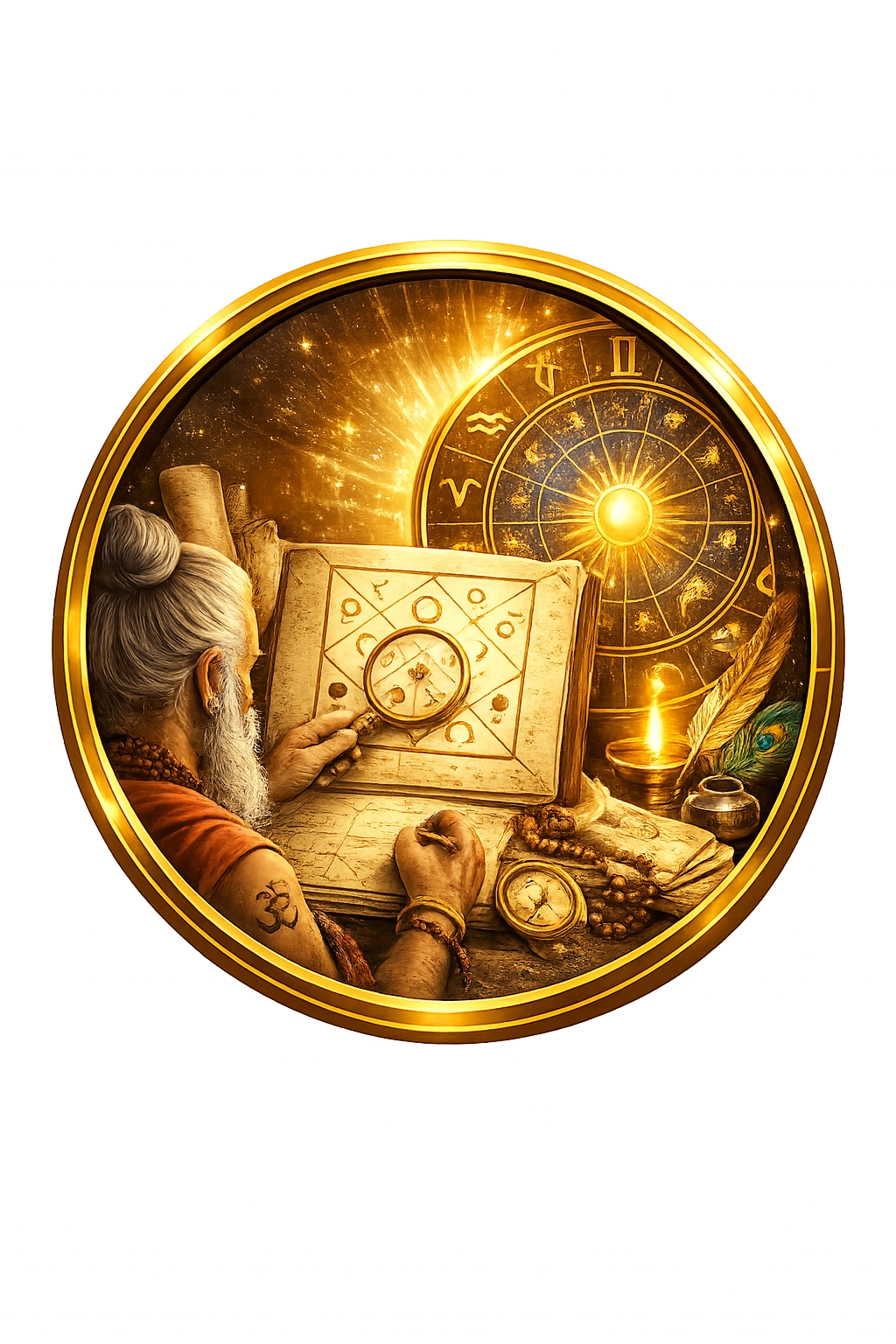
Sankalp & Free Kundali Check
Share your birth details and family history; Guruji confirms the dosha type and the most auspicious date.

Holy Dip at Kushavarta Kund
The ritual begins with a purifying dip, believed to be the source of the Godavari.
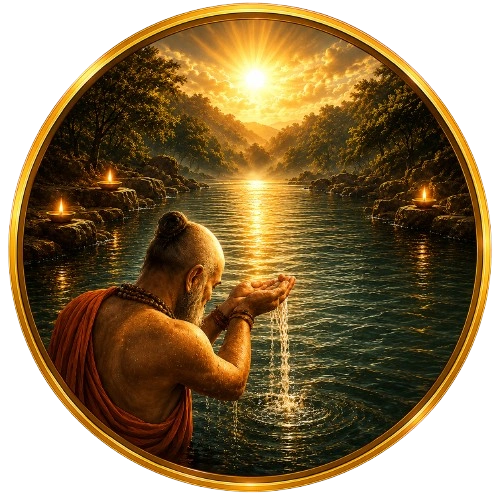
Tarpan
Offering of water and prayers to ancestors, performed beside the sacred river.
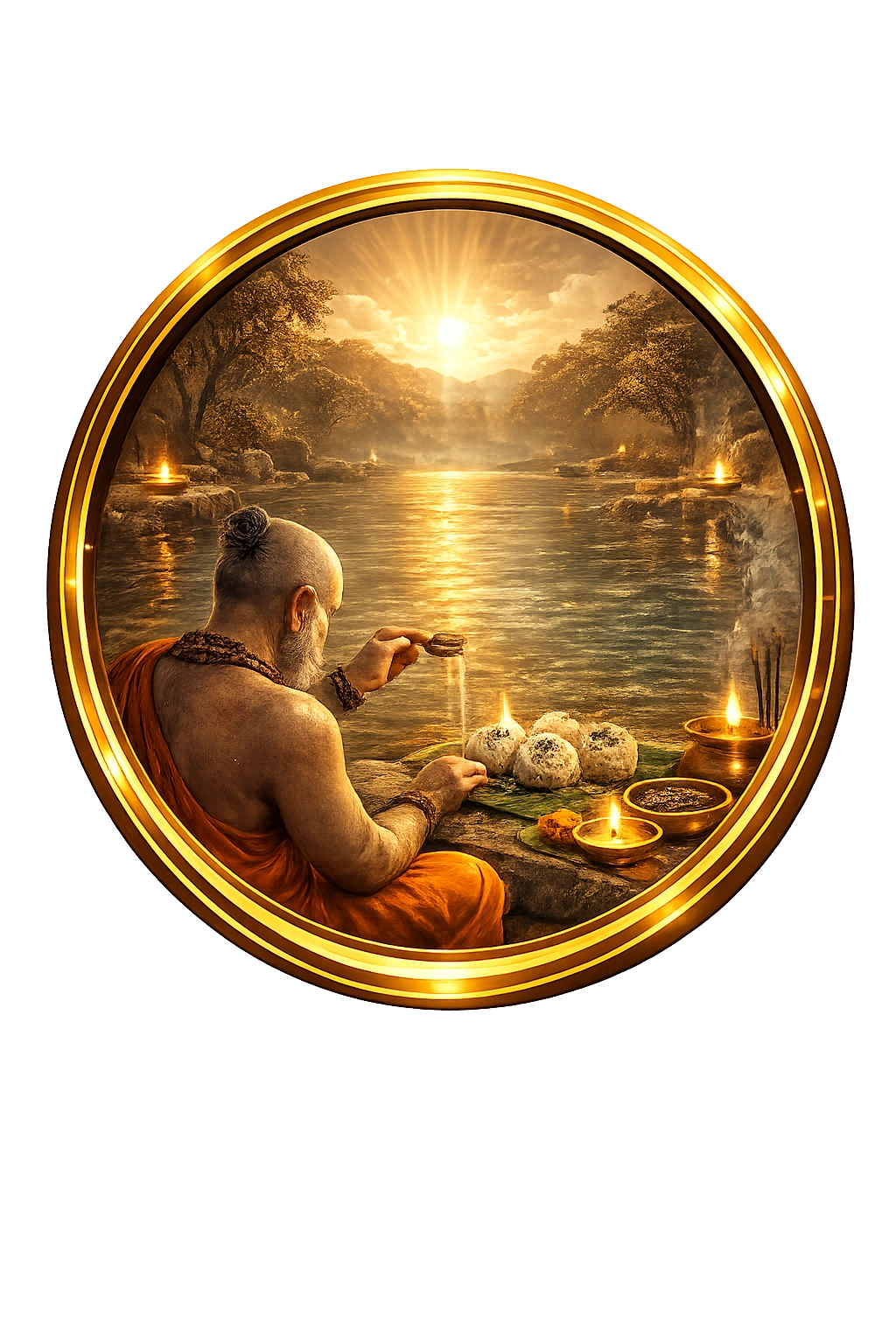
Pind Daan
Offering of food (pindas) to the ancestors' souls, a core part of the ritual.
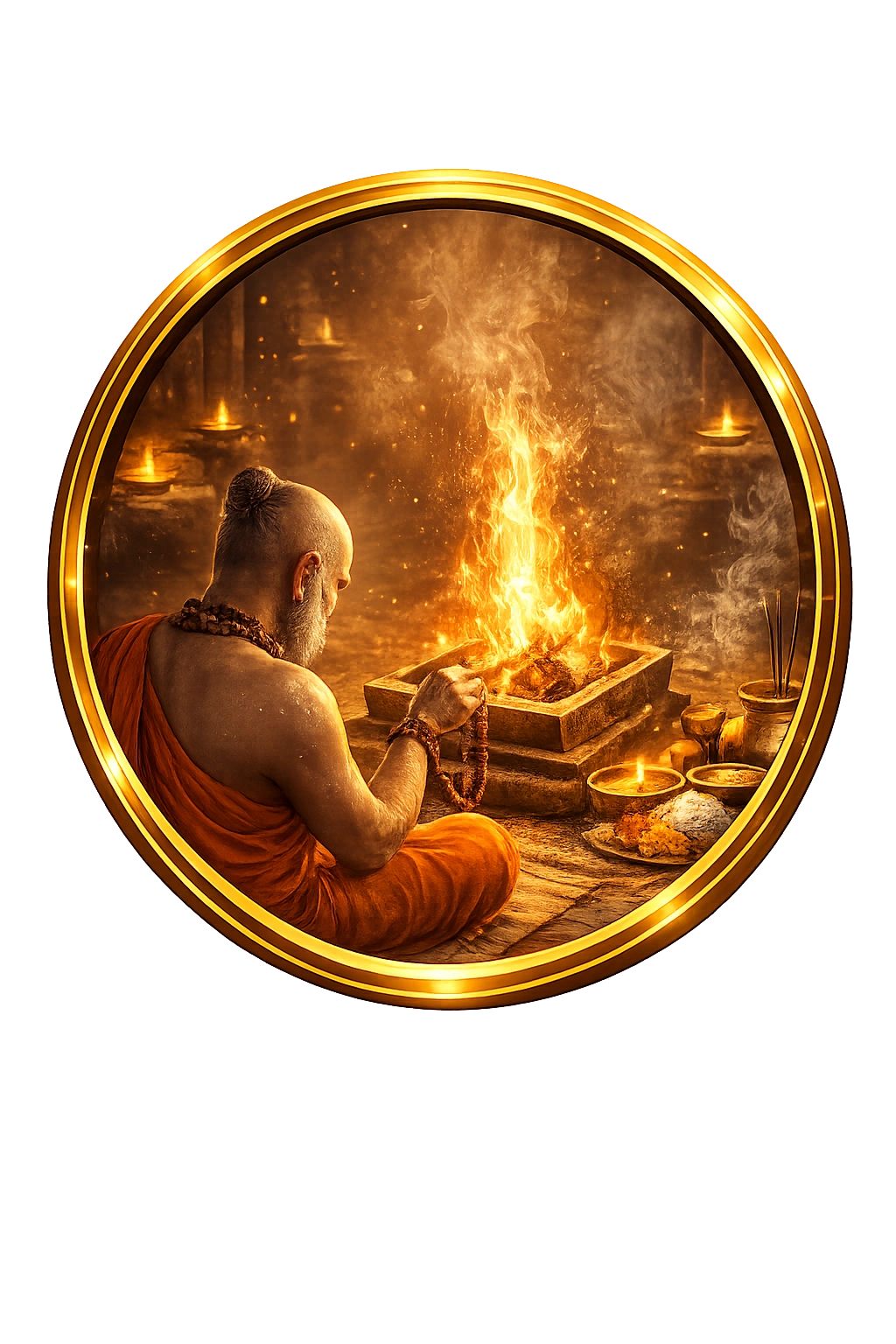
Mantra Jaap & Havan
Continuous chanting of Pitru mantras alongside a sacred fire ritual for peace and blessings.
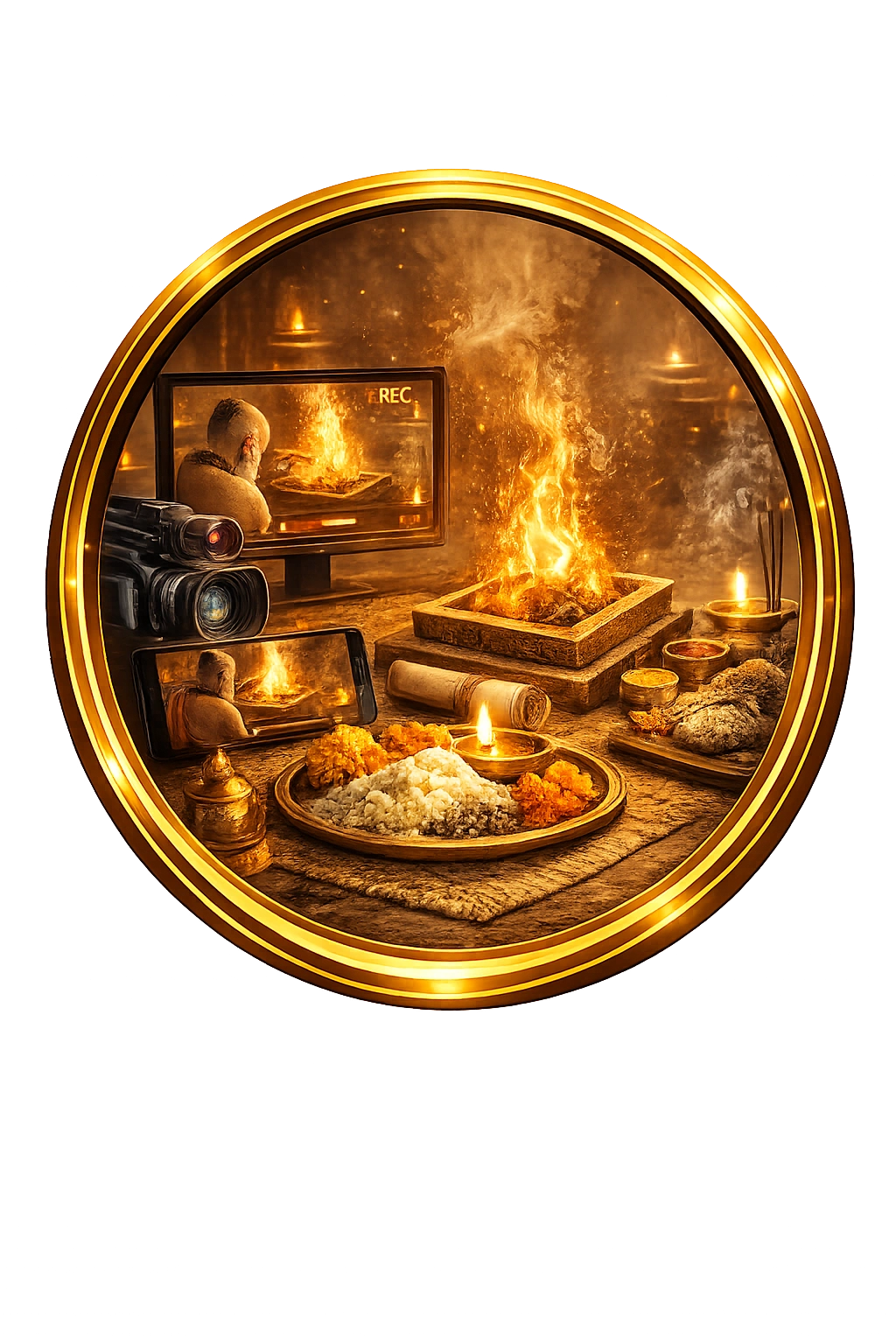
Video, Prasad & Follow Up Remedies
Recorded video shared within 3–4 days, prasad delivered to your home, and personal remedies suggested for continued peace.
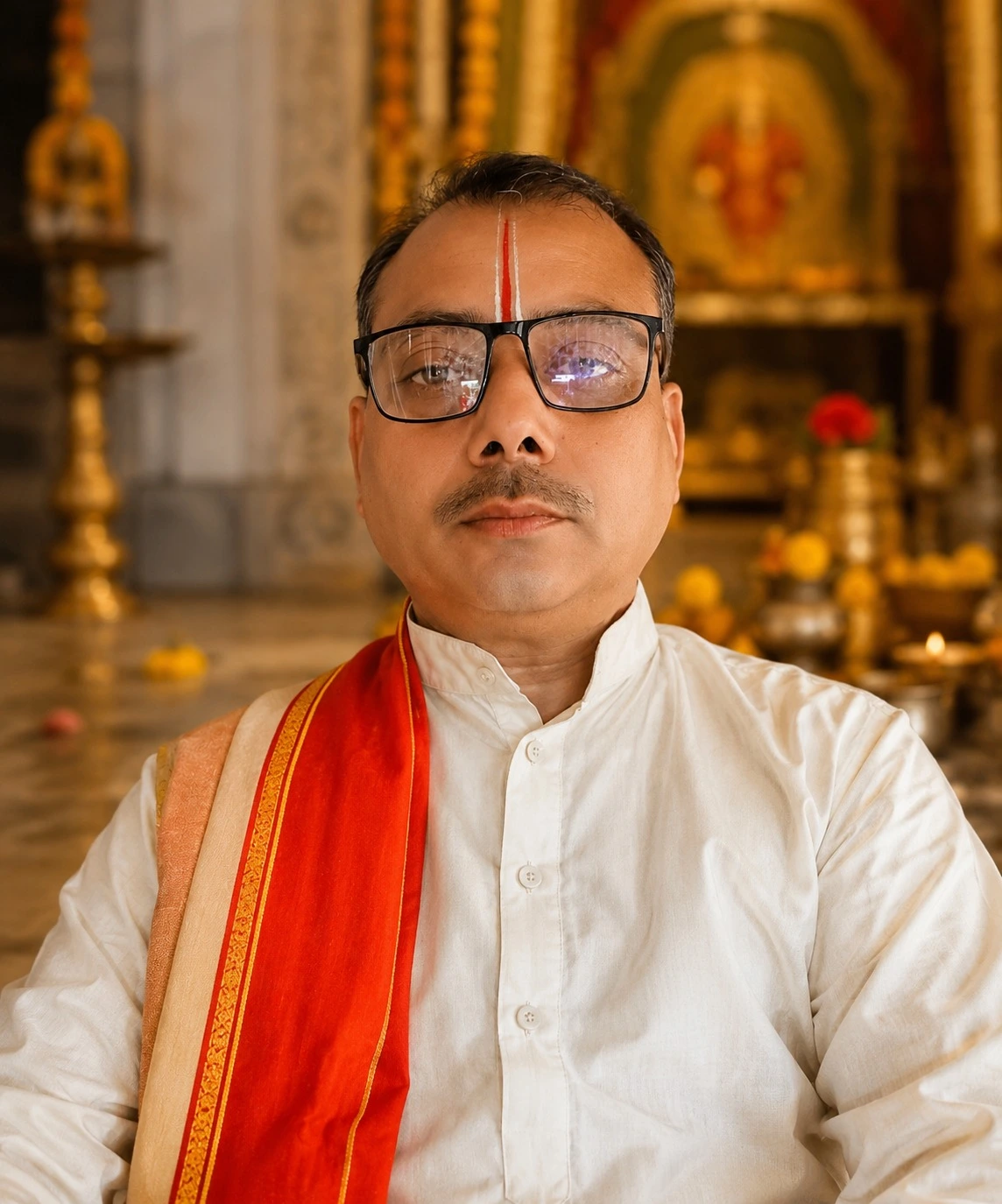
Get personal guidance from Guruji for your puja, doubts & blessings — trusted by thousands of devotees across generations.
What's Included — Pitra Dosh Puja Samagri
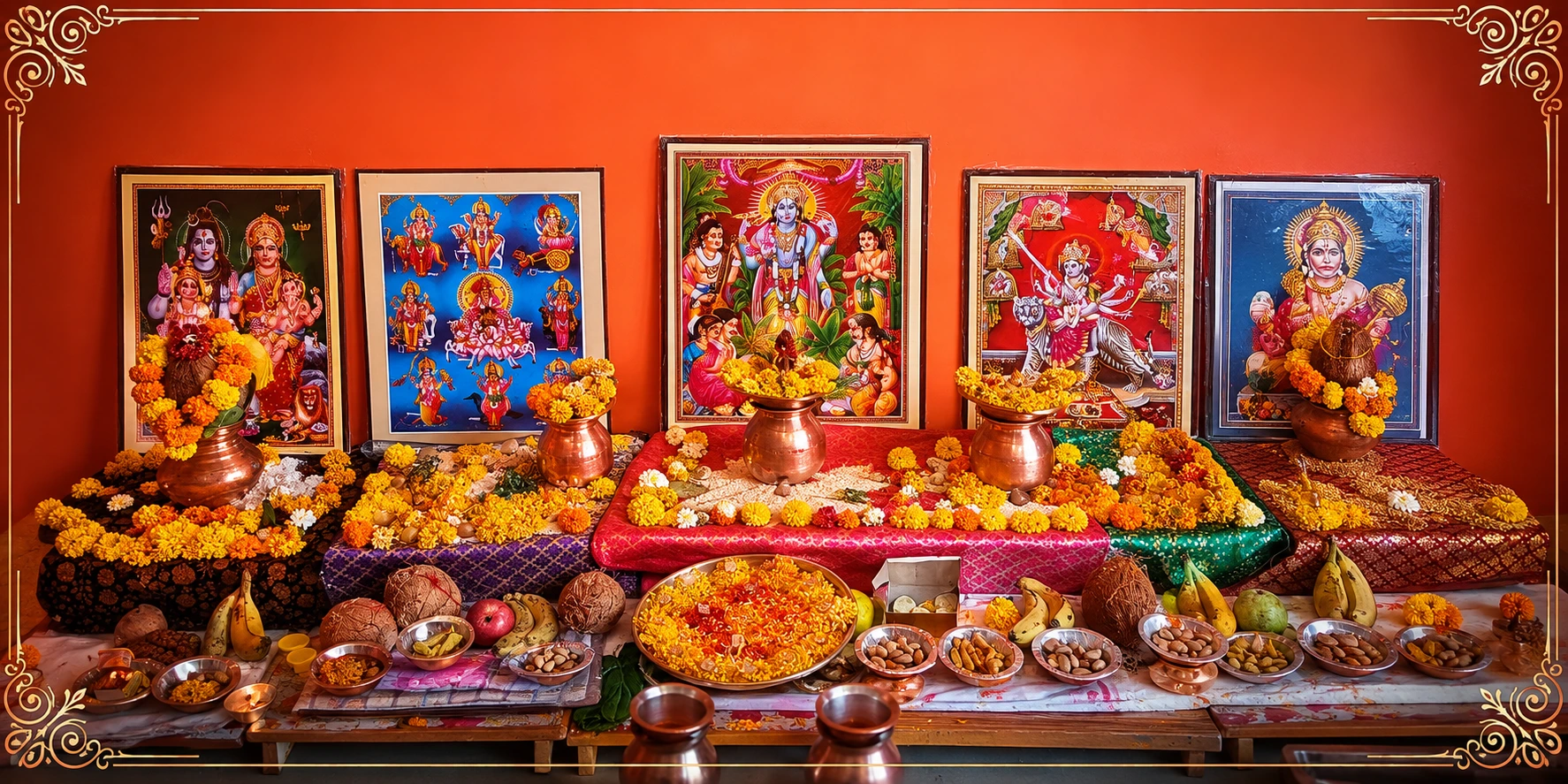
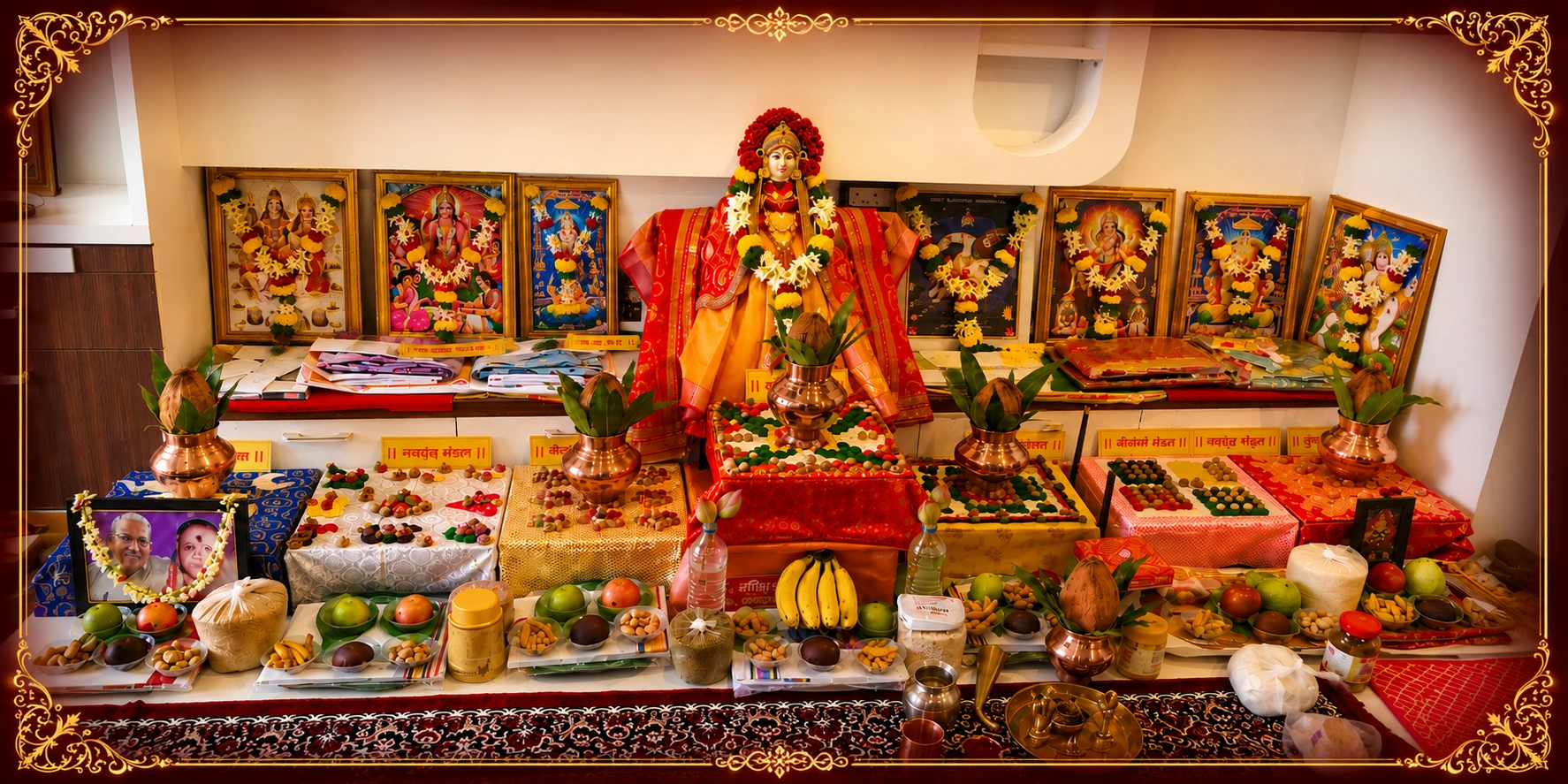
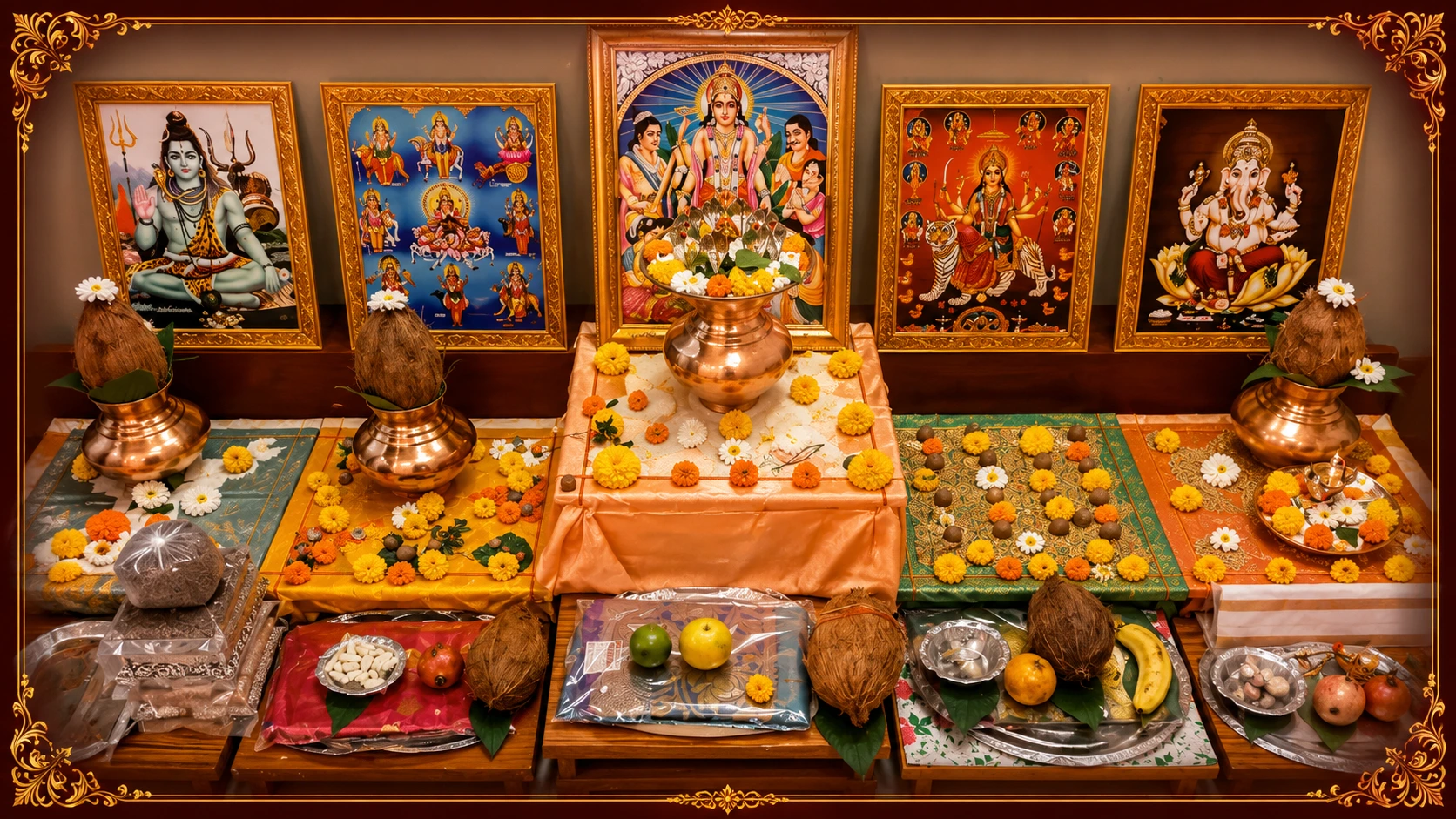
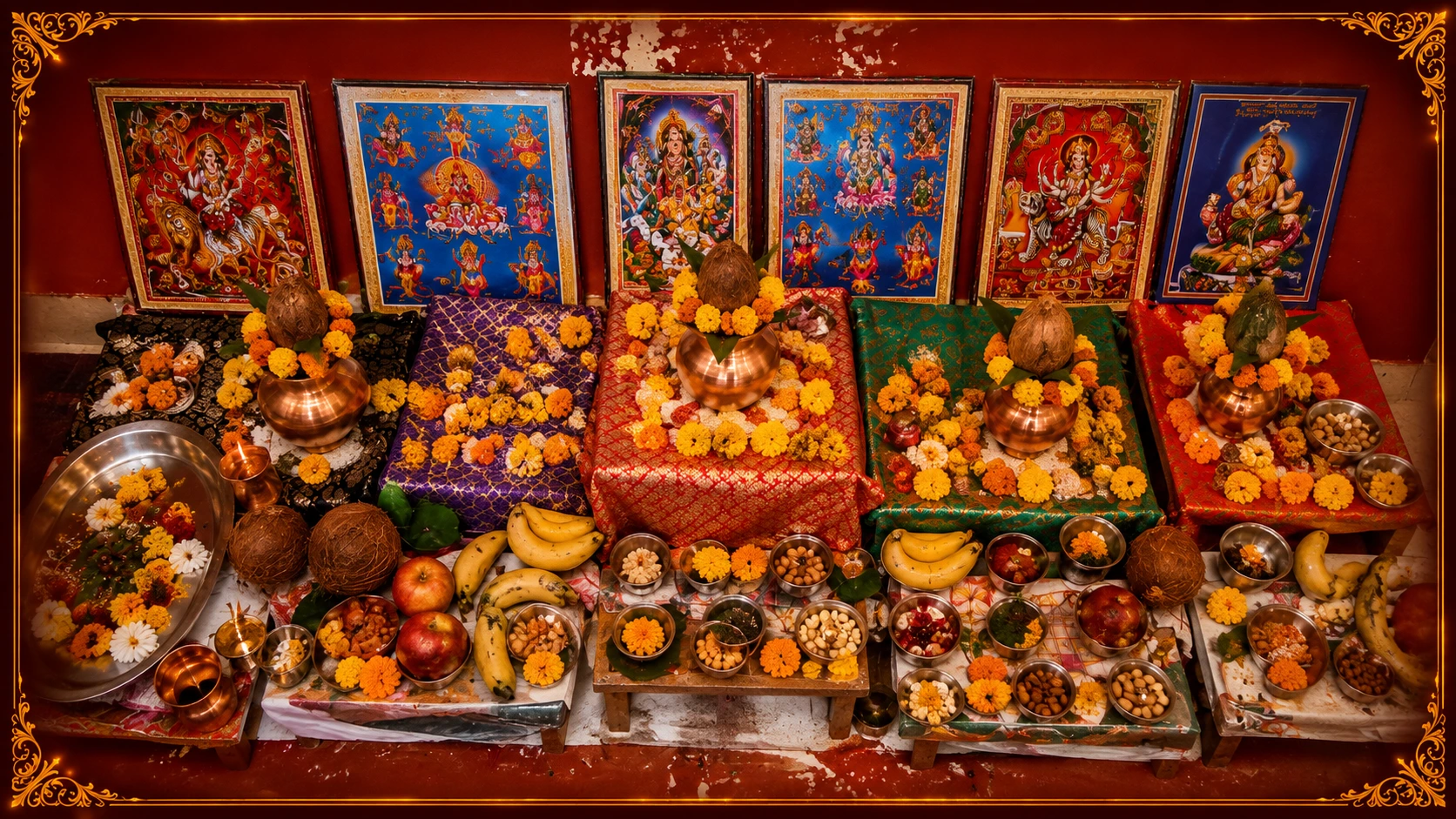
Every booking includes the complete traditional samagri: darbha grass, sesame seeds (black til), raw rice, panchamrit, white cloth, flowers and garlands, Ganga/Godavari Jal, dry fruits and sweets for prasad, havan samagri, and items required for pind daan and tarpan.
Best Time to Perform Pitra Dosh Puja
The most auspicious periods, as per tradition, are Pitru Paksha (the lunar fortnight dedicated to ancestors, usually falling in September–October during Bhadrapada month), Sarva Pitru Amavasya, Somvati Amavasya, and the death anniversary (tithi) of the family member being honored. Guruji can confirm the exact best date based on your specific kundali and family history.




