
Performed by Narayan Guruji— 27 Years of Vedic Experience at the Jyotirlinga
Till now 3,00,000+ Devotees have participated in Pujas conducted by Trimbakeshwar.
Book Rudrabhishek Puja →Puja Performed By Pandit Narayan Guruji
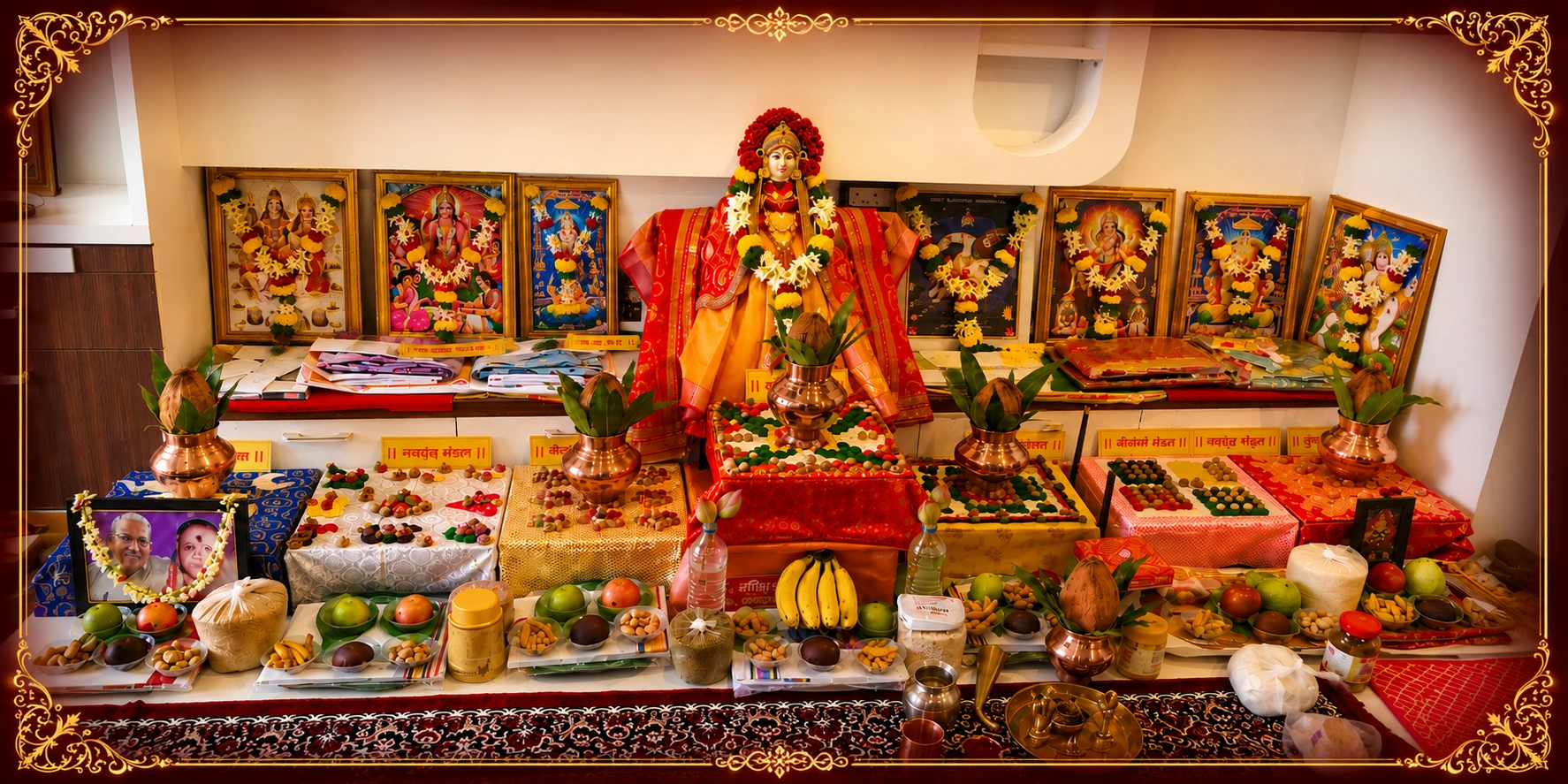
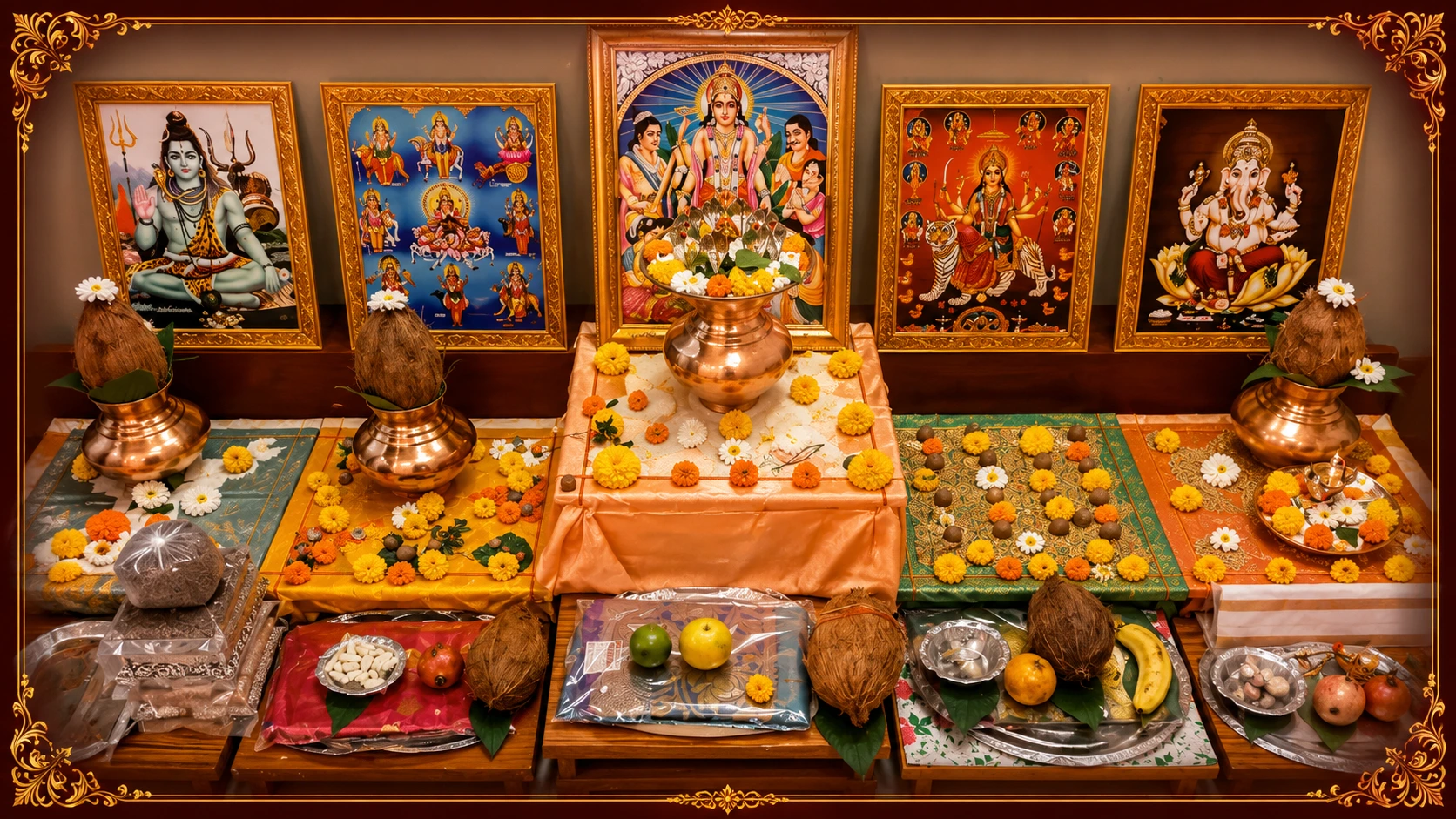
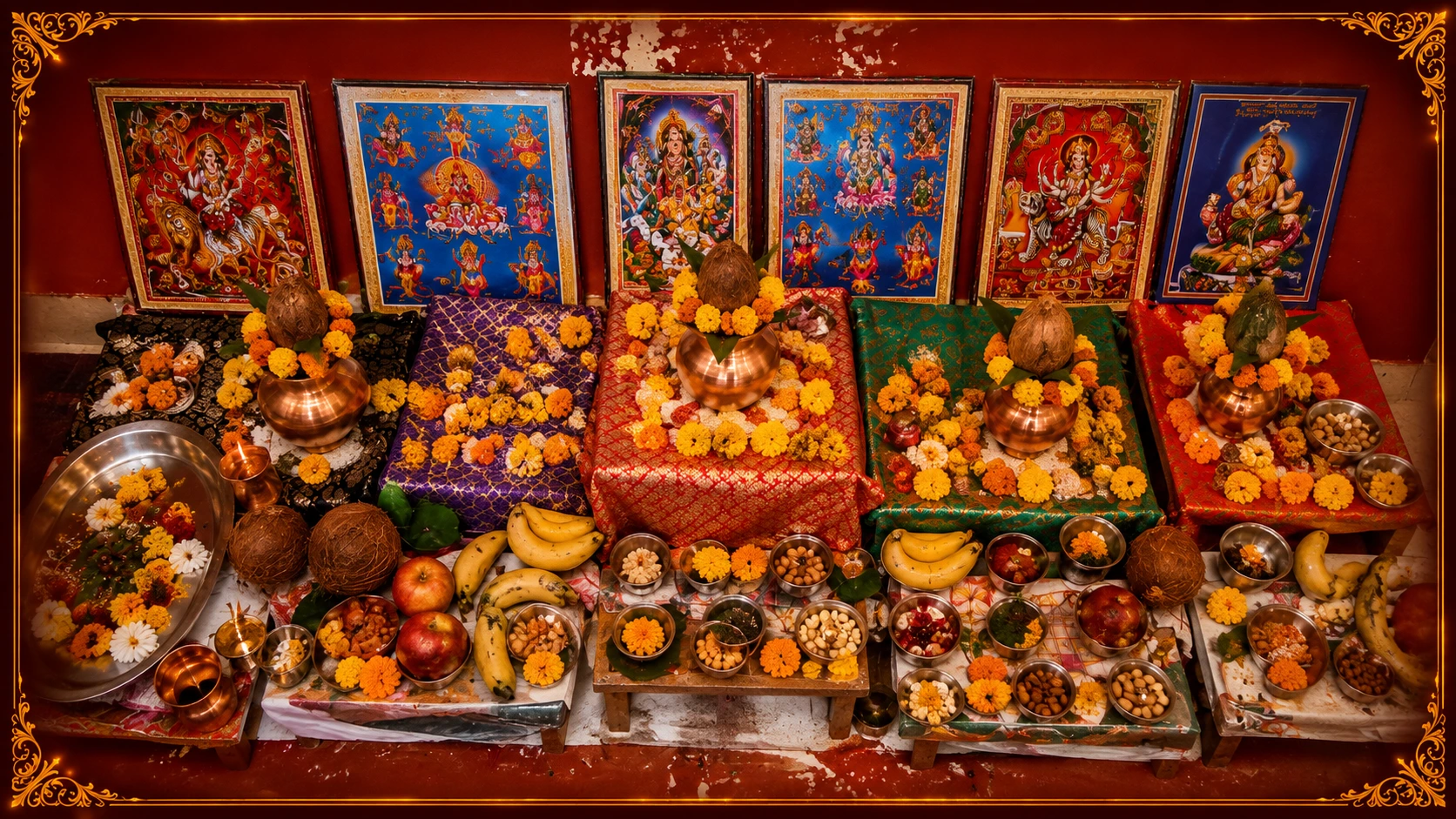
What Is Rudrabhishek Puja and Why It's More Powerful at Trimbakeshwar
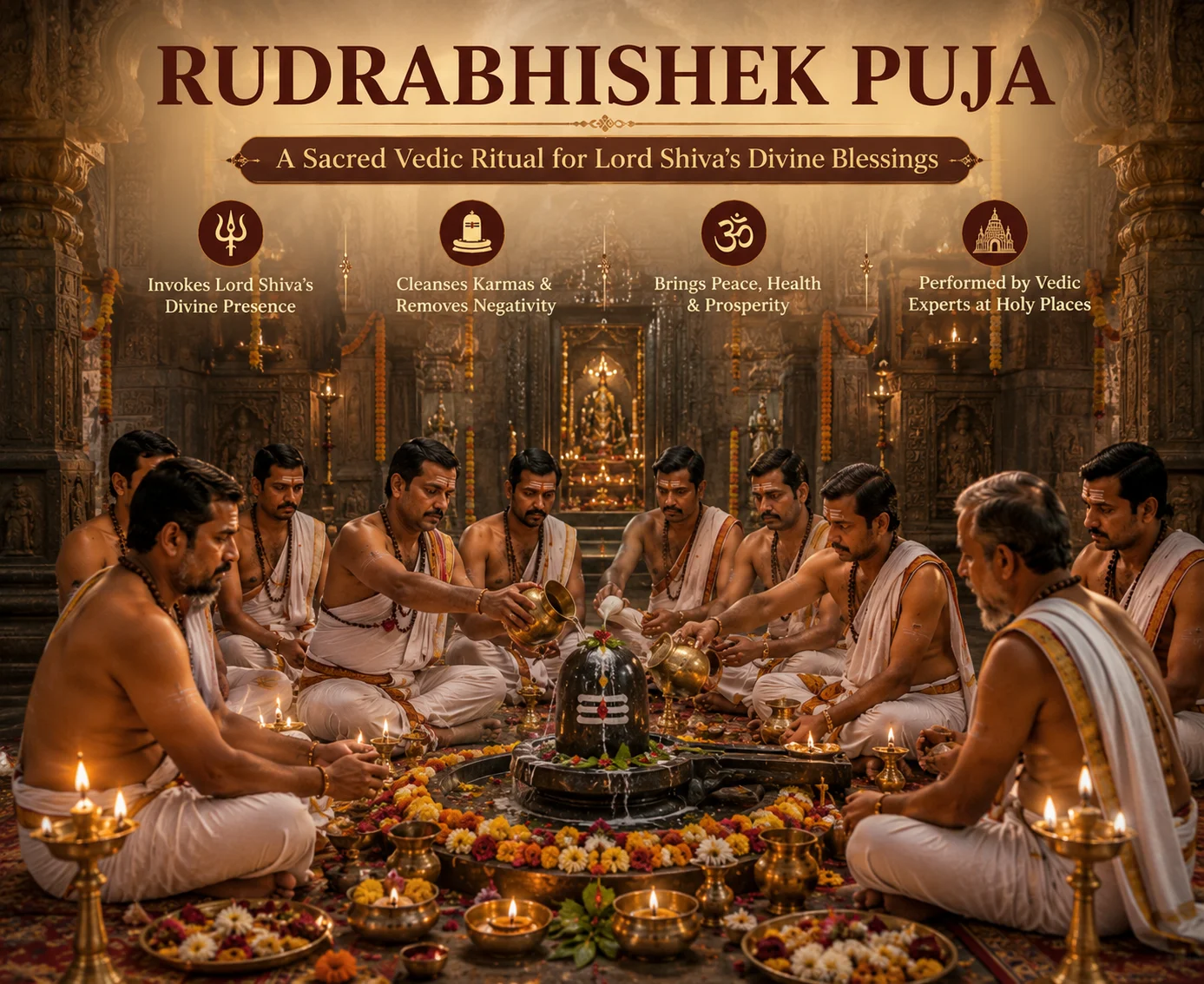
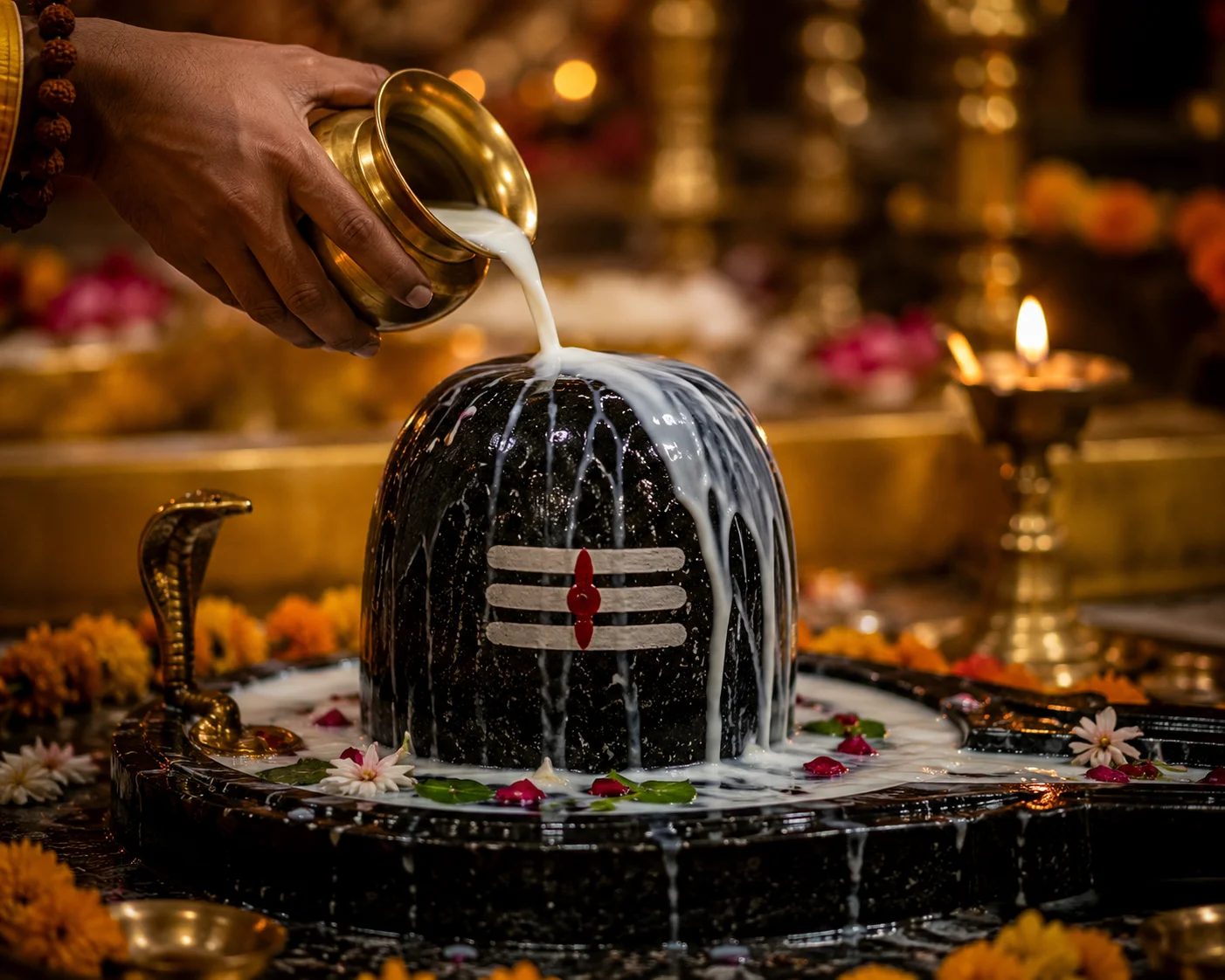
Rudrabhishek combines two Sanskrit words Rudra, referring to Lord Shiva in his fierce, transformative form, and Abhishek, meaning a ceremonial bathing or anointing. The ritual involves anointing the Shiva Lingam with panchamrit (milk, curd, honey, ghee, and sugar) along with Ganga jal, sugarcane juice, and bel patra, while Vedic priests chant the Rudrashtadhyayi — verses from the Yajurveda dedicated to Rudra.
Performing this ritual at Trimbakeshwar carries particular significance because it is the origin point of the Godavari river and one of the only Jyotirlingas where the lingam represents the Trimurti — Brahma, Vishnu, and Mahesh together in a single form. Devotees believe that rituals performed here, at the source of one of India's most sacred rivers, carry amplified spiritual power compared to performing the same puja elsewhere.
Types of Rudrabhishek Puja at Trimbakeshwar
1. Laghu Rudrabhishek Puja
The shorter, most commonly booked version — typically takes 1 to 1.5 hours and is ideal for individual or family bookings seeking general blessings, health, and peace.
2. Maha Rudrabhishek Puja
A more elaborate version performed with multiple priests and extended mantra chanting, recommended for those seeking stronger remedial effects for specific doshas or major life events.
3. Maharudra Rudrabhishek Puja
The most extensive form, traditionally performed with 11 or more Brahmins chanting the Rudrashtadhyayi multiple times over (sometimes totaling 1,000+ paths), reserved for significant family occasions or serious dosha remediation.
Which Type Should You Choose?
For routine blessings or a Monday/Shravan-month ritual, Laghu Rudrabhishek is sufficient. For Kaal Sarp Dosh, Rahu-Ketu afflictions, or major health/career obstacles, Guruji typically recommends Maha or Maharudra Rudrabhishek — a quick consultation will confirm what's right for your situation.
Benefits of Rudrabhishek Puja

Removal of Planetary Doshas
Considered effective for Kaal Sarp Dosh, Rahu-Ketu afflictions, and the negative effects of Punarvasu, Ashlesha, and Pushya Nakshatras.

Health and Mental Peace
Believed to ease stress, anxiety, and restlessness while supporting overall physical wellbeing.

Career and Education Growth
Traditionally performed to clear obstacles in employment, business, and academic progress.

Removal of Negativity
Said to dissolve negative energy and destructive influences surrounding the devotee and their family.
How Rudrabhishek Puja Is Performed at Trimbakeshwar
Sankalp
Your name, gotra, and intention for the puja are formally declared at the start of the ritual.
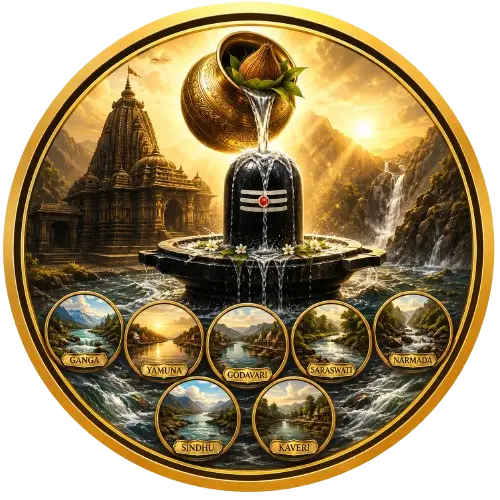
Kalash Puja
Sacred rivers (Ganga, Yamuna, Godavari, Saraswati, Narmada, Sindhu, Kaveri) are invoked into a Kalash of water used for the abhishek.
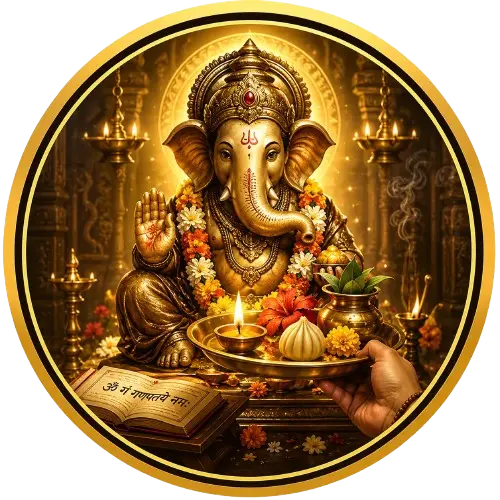
Ganesh Puja
Lord Ganesha is worshipped first, as is customary before any major Shiva ritual.
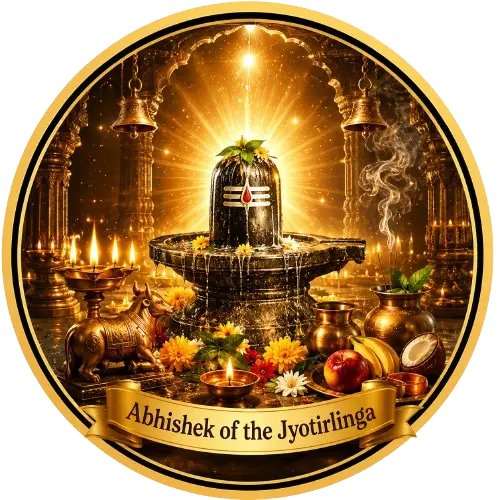
Abhishek of the Jyotirlinga
The lingam is bathed in sequence with water, milk, curd, honey, sugar, ghee, sugarcane juice, and Bilva leaves, while priests chant "Om Namah Shivaya" and verses from the Rudrashtadhyayi.
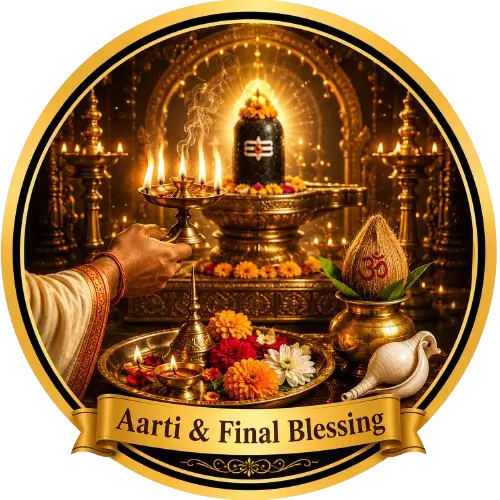
Aarti & Final Blessing
The ritual concludes with aarti and a final blessing for the devotee and family named in the sankalp.
Can I Do This Puja Online Without Visiting Trimbakeshwar?
Yes — Guruji performs the complete ritual on your behalf with live video access, so you can watch and participate from anywhere, followed by prasad delivered to your home.
Best Time to Perform Rudrabhishek Puja
Rudrabhishek can be performed on any day with proper muhurat, but Mondays (Shiva's most auspicious day) and the entire month of Shravan are considered especially powerful for this ritual. Major occasions like Mahashivratri are also widely chosen for Maha or Maharudra Rudrabhishek.
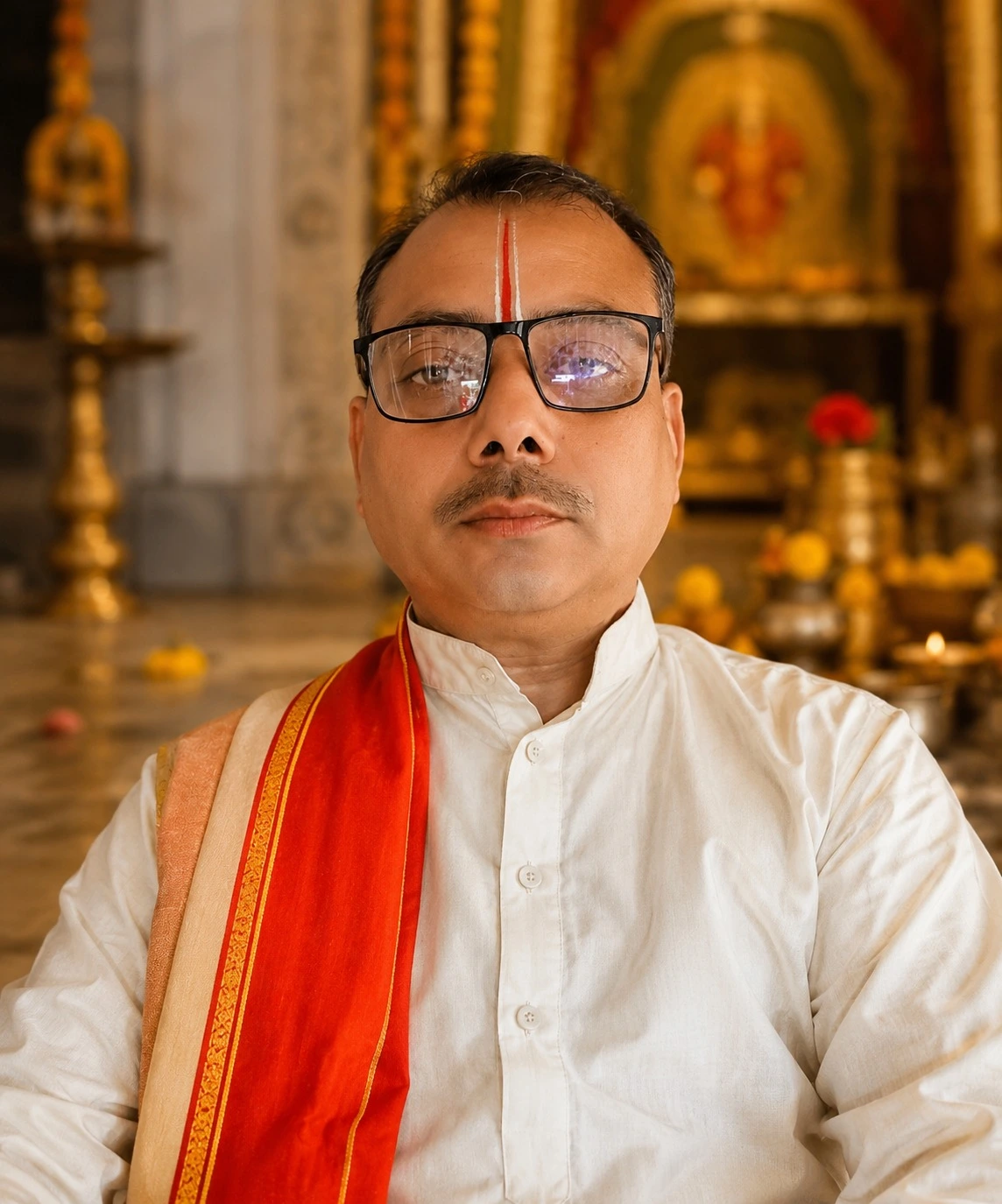
Get personal guidance from Guruji for your puja, doubts & blessings — trusted by thousands of devotees across generations.
What's Included — Rudrabhishek Puja Samagri
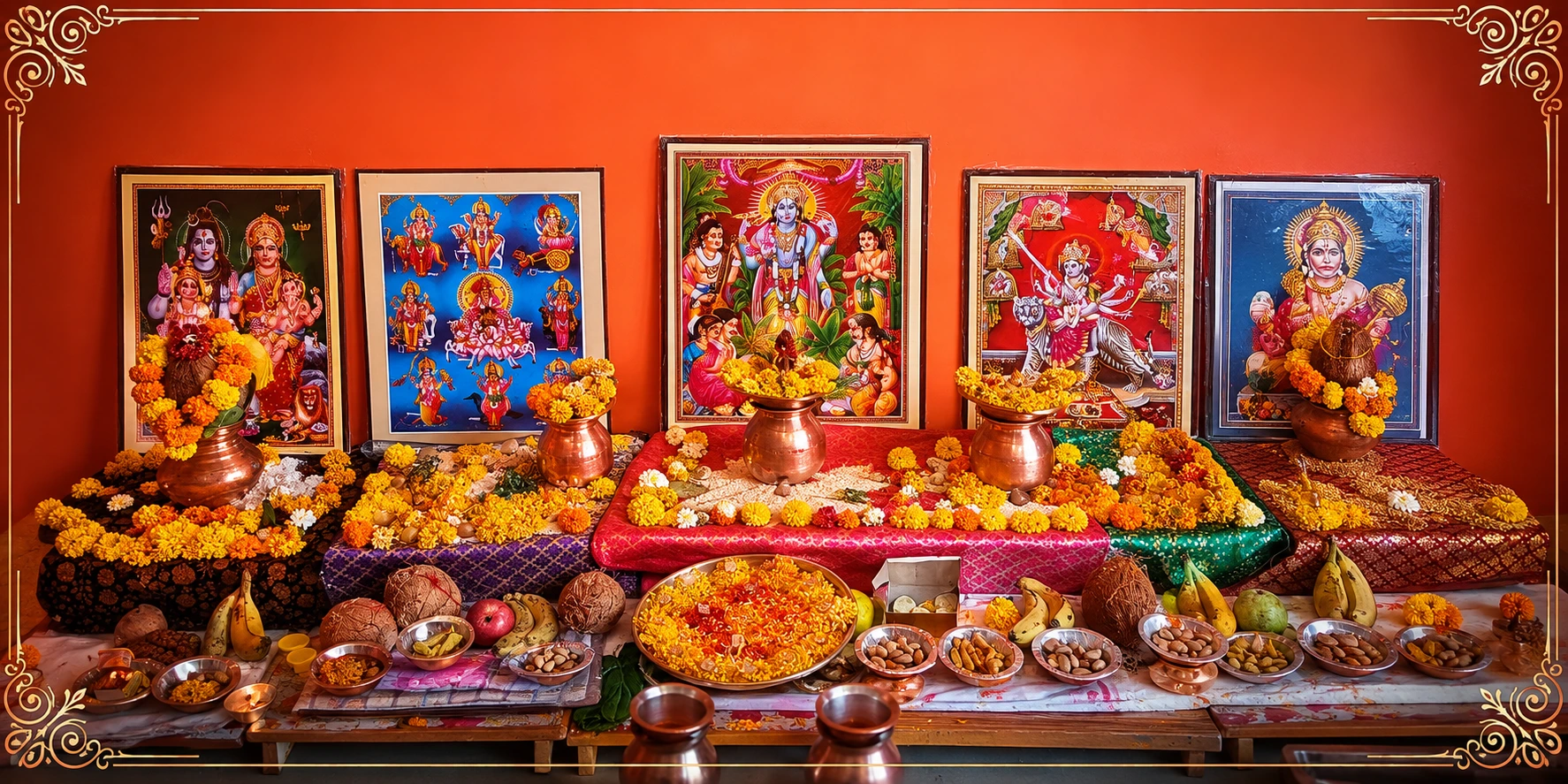
Every booking includes the complete traditional samagri: panchamrit (milk, curd, honey, ghee, sugar), Ganga jal, sugarcane juice, bel patra (bilva leaves), flowers and garlands, white cloth, raw rice, incense and dhoop, and items for the concluding aarti.
Rudrabhishek Puja Cost in Trimbakeshwar
All packages include full samagri and Guruji's dakshina — no hidden additions once the ritual begins.




